Voted #1 Family Law Firm in California
in a statewide poll limited to Judges, Attorneys, and Law Firm Administrators.
Request a Consultation

Whether you have been ordered to pay alimony to your former spouse, or you are seeking spousal support payments moving forward, we provide the legal acumen needed to navigate the Los Angeles Superior Court system. We represent clients throughout Southern California, including those in Bel Air, Holmby Hills, Santa Monica, and West Hollywood, focusing on the preservation of wealth and the protection of your long-term financial security.
Unlike child support, which is heavily formulaic, long-term spousal support in California is determined by a variety of factors listed under Family Code Section 4320. A judge must consider several elements before making a final ruling, including:
Whether you are seeking support to maintain your stability or are being asked to provide support, a Beverly Hills alimony attorney from our firm will meticulously analyze these factors to build a compelling case for your financial interests.
It is important to distinguish between the two phases of support. Temporary support is typically calculated using a formula to maintain the status quo while the divorce is pending. Permanent (long-term) support, however, is finalized at the end of the case and is based on the judge’s discretionary evaluation of 14 factors outlined in the California Family Code section 4320. Our firm ensures that the transition between these phases is handled strategically, protecting you from overpayment or underfunding.
In the world of high-stakes divorce, the goal for many is reaching a point where both parties are financially independent. In California, the court has two primary “tools” to encourage this transition: the Gavron Warning and the Richmond Order. While they are often used together, they serve very different legal functions.
The Gavron Warning: The Notice
A Gavron Warning is essentially a formal “admonishment” or notice. When a judge issues this warning, they are officially putting the supported spouse on notice that they are expected to make reasonable, good-faith efforts to become self-supporting.
A Richmond Order is much more aggressive. It is a “step-down” or “termination” order that sets a specific, future date on which alimony will reduce and/or end—unless the supported spouse can prove “good cause” for an extension before that date arrives.
Whether you are the supporting party seeking a clear exit strategy or the supported party needing to protect your duration of support, our team ensures these powerful legal tools are used correctly. We understand the specific tactical advantages of requesting—or defending against—these orders in the context of a high-asset Beverly Hills lifestyle.
When the preservation of wealth and lifestyle is the primary objective, your choice of counsel is critical.
By combining meticulous financial scrutiny with an “in it to win it” approach, we provide the authoritative advocacy necessary to secure your financial independence and preserve the lifestyle you have worked a lifetime to build.
Whether you are concerned about maintaining your standard of living or ensuring a fair support obligation, Schoenberg Family Law Group, P.C. offers a balance of sensitivity and advocacy to help you reach your unique goals.
Call us today at 310-340-1846 or fill out our online form to schedule a confidential consultation with one of our Beverly Hills alimony attorneys.
"I was seeking a reputable family law firm for my prenuptial agreement and received high praise for the Schoenberg Law Group. My attorney listened to my questions and responded to them very patiently. She also paid close attention all my concerns and made sure I was aware of the legal value of the agreement I was about to sign. It was…”
D.R.“It has been a real blessing to find this family law group in my life. I was in the middle of a custody battle with my ex wife and had a lawyer who had sided with my ex wife’s lawyer. I was faced with the option of paying to a regular lawyer to do half jobs with no results or to invest a bit more for a top family counselor who understood my situation and at the same time not giving me false hopes."
A.L."I hesitated filing papers for a long time because I was not sure if I could survive a long legal battle. When we were married, my husband worked while I raised the children, two under four years old, and I was afraid I would lose the stability they needed. I had a wonderful group of friends that helped me search for a reputable law firm that could represent me when my focus was on my children. They found the"
L.A.We are trial lawyers who litigate high-conflict, high-stakes cases. While we try to build on mediation efforts and exhaust opportunities for a negotiated agreement, emotions, egos and various other realities often force these disputes into court. It is critical to work with a firm that knows how to apply the law and the facts in your favor, whether in the courtroom or at the negotiating table.
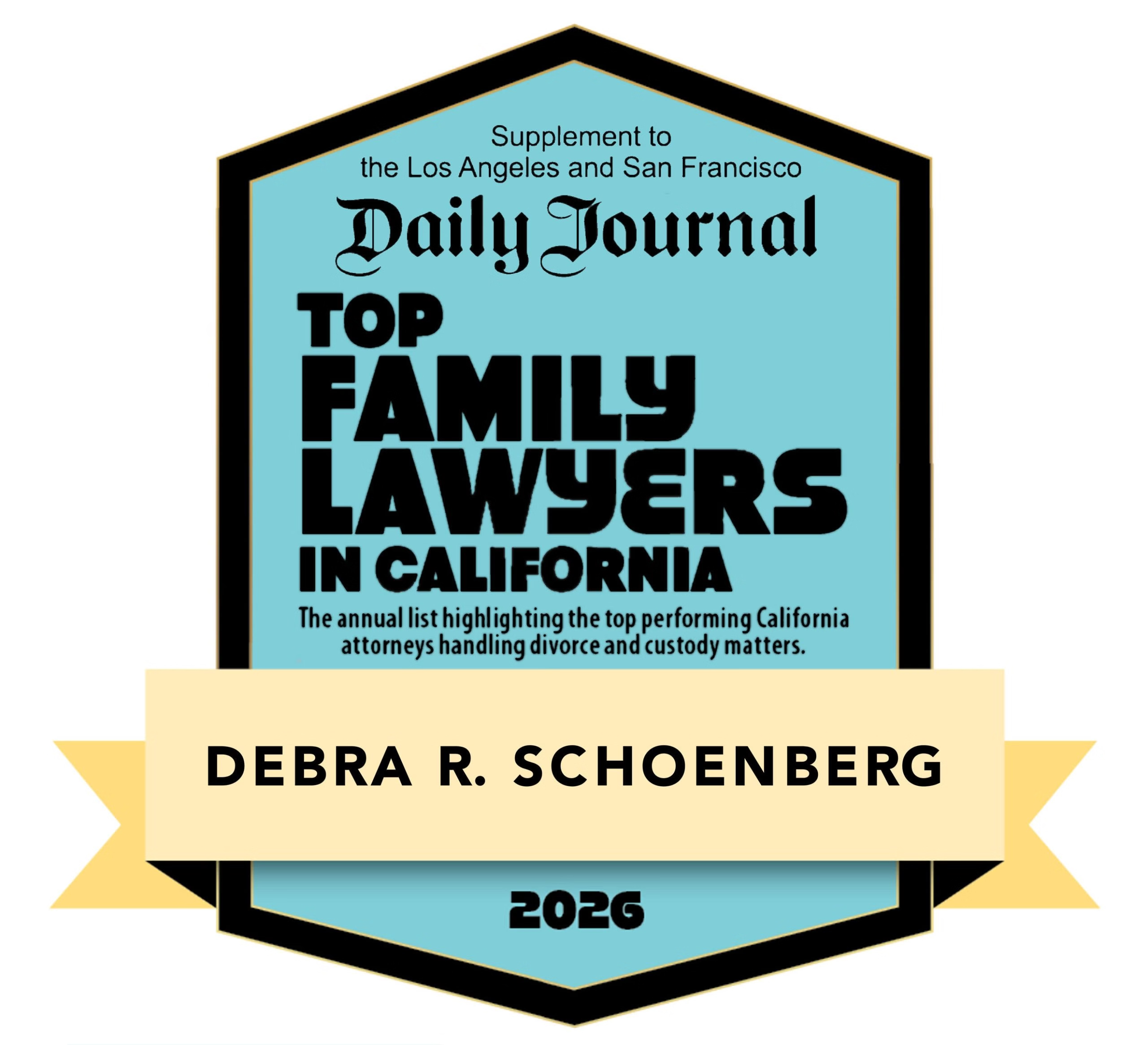
One of California’s Top Family Lawyers for five consecutive years: 2022–2026

SFLG Voted #1 Family Law Firm in California for six consecutive years: 2021 - 2026

One of the Best Places to Work in the Bay Area by San Francisco Business Times

Debra Schoenberg was named a Fellow of the American Academy of Matrimonial Lawyers (AAML)

Designated as a Certified Family Law Specialist by the State of California Board of Legal Specialization

Board-Certified Family Law Trial Specialist by The National Board of Trial Advocacy (NBTA)
“My goal is to preserve your dignity and your humanity throughout what can be a very difficult and painful process, while at the same time achieving a favorable outcome on your behalf.”
Over 400 Years of Collective Family Law Experience
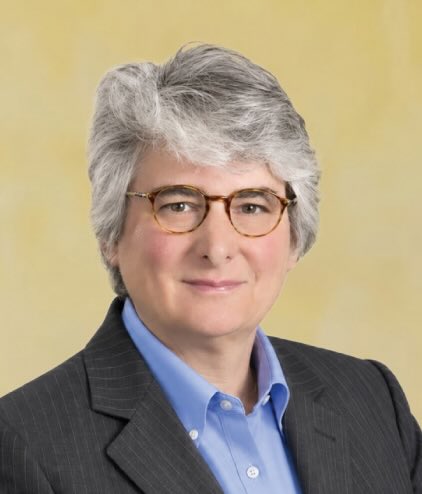 Debra R. Schoenberg
Owner & Founder
Debra R. Schoenberg
Owner & Founder




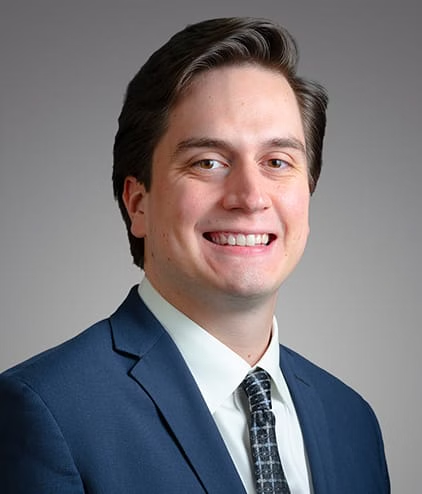


 Lily Huang
Senior Associate
Lily Huang
Senior Associate
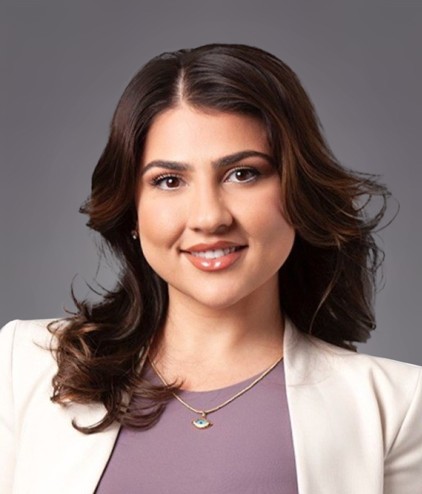 Kimia Kojouri
Associate
Kimia Kojouri
Associate


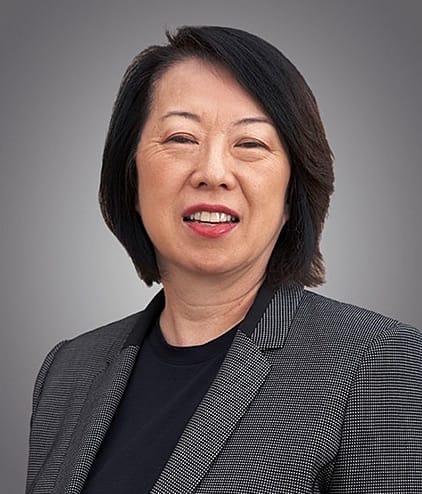 Miho Takarada
Senior Counsel
Miho Takarada
Senior Counsel
For marriages lasting less than 10 years, support is generally paid for half the length of the marriage. For marriages of 10 years or more support can go on for an extended period of time. The court retains jurisdiction until it is modified or terminated by a future order.
Yes, provided there is a "material change in circumstances." This could include a significant increase or decrease in income, the retirement of the payor, or the supported spouse becoming self-sufficient.
Yes. In California, there is a "rebuttable presumption" that the need for support decreases if the supported spouse is cohabiting with a non-marital partner.
The court aims to keep both parties as close to their accustomed marital lifestyle as possible. This includes considerations for housing, travel, club memberships, and other expenses typical of life in Beverly Hills.
Under current federal and state law, alimony payments are no longer tax-deductible for the payor, and they are not considered taxable income for the recipient for any agreements finalized after December 31, 2018.
Generally, yes, but California courts scrutinize these waivers closely. If the waiver is deemed "unconscionable" at the time of the divorce, a judge may set it aside.
Retirement at a reasonable age (usually 65) can be considered a change in circumstances that may allow for the reduction or termination of support, though this is not automatic.
Under California Family Code Section 4320, the court evaluates the marital standard of living, the duration of the marriage, and each spouse's earning capacity and financial needs. Judges also consider the age and health of both parties, any history of domestic violence, and the balance of hardships to each individual.
High-asset support cases require a deep understanding of complex financial structures and tax laws. A specialized attorney ensures that hidden income is discovered and that your future lifestyle is not compromised.