Voted #1 Family Law Firm in California
in a statewide poll limited to Judges, Attorneys, and Law Firm Administrators.
Request a Consultation

We represent clients across Los Angeles County, including Bel Air, Holmby Hills, West Hollywood, and Santa Monica, ensuring that your parental relationship is legally recognized and protected under the California Family Code.
When a child is born to unmarried parents in California, legal parentage is not automatic, even if the father’s name appears on the birth certificate. Without a legal determination of paternity, a father may have no standing to request custody, and a mother may have no legal basis to receive child support.
Our firm can help you establish parentage through:
By formalizing these legal ties, you provide your child with the security of a documented lineage and the right to financial support from both parents. This foundational step is not just a legal requirement but a commitment to your child’s long-term stability and well-being.
Once paternity is established, the “best interests of the child” standard becomes the court’s primary focus. A legal judgment of parentage opens the door to:
Securing these rights ensures that your child has access to the comprehensive care and legal protections they deserve throughout their life. It also establishes a clear framework for co-parenting that minimizes future conflict and promotes a healthy family dynamic.
Paternity cases are emotionally charged, high stakes, and frequently, high conflict. Choosing a firm with a reputation for excellence is vital.
Our goal is to preserve our clients’ dignity and humanity while navigating the legal complexities of parenthood. We work diligently to ensure that every parent-child relationship we represent is built on a solid, legally enforceable foundation.
Don’t leave your parental rights to chance. No matter where you are in Southern California, Schoenberg Family Law Group, P.C. is ready to provide the guidance you deserve.
Call us today at 310-340-1846 or contact us online to schedule a consultation with our leading Beverly Hills paternity lawyers.
"I was seeking a reputable family law firm for my prenuptial agreement and received high praise for the Schoenberg Law Group. My attorney listened to my questions and responded to them very patiently. She also paid close attention all my concerns and made sure I was aware of the legal value of the agreement I was about to sign. It was…”
D.R.“It has been a real blessing to find this family law group in my life. I was in the middle of a custody battle with my ex wife and had a lawyer who had sided with my ex wife’s lawyer. I was faced with the option of paying to a regular lawyer to do half jobs with no results or to invest a bit more for a top family counselor who understood my situation and at the same time not giving me false hopes."
A.L."I hesitated filing papers for a long time because I was not sure if I could survive a long legal battle. When we were married, my husband worked while I raised the children, two under four years old, and I was afraid I would lose the stability they needed. I had a wonderful group of friends that helped me search for a reputable law firm that could represent me when my focus was on my children. They found the"
L.A.We are trial lawyers who litigate high-conflict, high-stakes cases. While we try to build on mediation efforts and exhaust opportunities for a negotiated agreement, emotions, egos and various other realities often force these disputes into court. It is critical to work with a firm that knows how to apply the law and the facts in your favor, whether in the courtroom or at the negotiating table.
One of California’s Top Family Lawyers for five consecutive years: 2022–2026

SFLG Voted #1 Family Law Firm in California for six consecutive years: 2021 - 2026

One of the Best Places to Work in the Bay Area by San Francisco Business Times

Debra Schoenberg was named a Fellow of the American Academy of Matrimonial Lawyers (AAML)
Designated as a Certified Family Law Specialist by the State of California Board of Legal Specialization
Board-Certified Family Law Trial Specialist by The National Board of Trial Advocacy (NBTA)
“My goal is to preserve your dignity and your humanity throughout what can be a very difficult and painful process, while at the same time achieving a favorable outcome on your behalf.”
Over 400 Years of Collective Family Law Experience
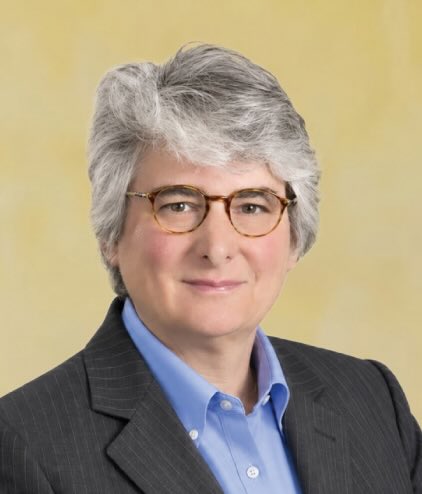 Debra R. Schoenberg
Owner & Founder
Debra R. Schoenberg
Owner & Founder







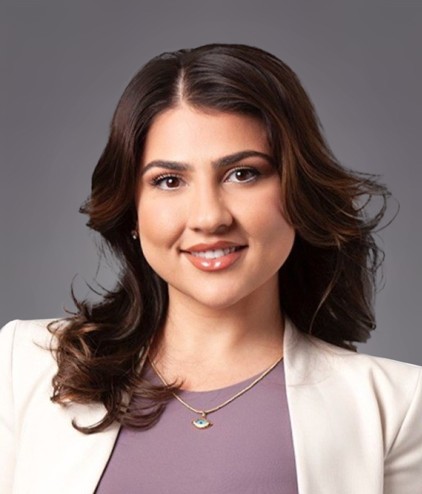 Kimia Kojouri
Associate
Kimia Kojouri
Associate



In an area with high-value real estate and complex business interests, California’s 50/50 community property laws can lead to unintended consequences. An agreement allows you to protect pre-marital wealth and define your financial future on your own terms.
Yes, if it was signed under duress, lacked full financial disclosure, or if one party did not have adequate time to review it with independent counsel. This is why professional legal drafting is essential.
Not at all. Many of our clients find that the process of creating an agreement strengthens their relationship by encouraging honest communication about finances, goals, and expectations.
Yes, but with caveats. The party waiving support must have been represented by independent legal counsel, and the court will not enforce a waiver if it is deemed "unconscionable" at the time of the divorce.
A prenuptial agreement is signed before the wedding. A postnuptial agreement is created after the couple is already married. Both serve similar purposes but have different legal standards for enforceability.
Absolutely. You can designate your business as separate property, ensuring that its growth and income remain yours alone rather than becoming a community asset.
Yes. To ensure the agreement is enforceable and that both parties' interests are protected, California law strongly favors—and often requires—that each spouse has their own independent legal representative.
Yes. An agreement can specify that debts incurred by one spouse prior to marriage (such as student loans or business liabilities) remain the sole responsibility of that spouse.
It is best to start at least two to three months before the wedding. California requires at least seven days between the final draft and the signing, but the negotiation and disclosure process takes time.
Without an agreement, California’s community property laws will govern your divorce. This typically means all assets and debts acquired during the marriage will be divided equally, regardless of who earned the income or whose name is on the title.