Voted #1 Family Law Firm in California
in a statewide poll limited to Judges, Attorneys, and Law Firm Administrators.
Request a Consultation
Going through the divorce or separation process in San Mateo can be an emotionally charged, highly sensitive ordeal. With numerous factors to take into consideration, the process can quickly turn complicated. What was initially an amicable split can become contentious, and what should be straightforward can consume your life with stress and uncertainty about your future. Our San Mateo divorce lawyers are ready to assist you throughout the divorce process.
Why experience matters: Divorce in San Mateo County often involves complex property division with high-value Peninsula real estate, tech equity, and substantial retirement accounts. Having a Certified Family Law Specialist and a team with decades of local court experience ensures your financial future and rights are protected from the beginning.
In such volatile circumstances, having knowledgeable, experienced legal counsel by your side is invaluable. Schoenberg Family Law Group, P.C., has the knowledge, experience, and compassion to help you navigate through the most complex divorce in the Bay Area and throughout the state of California. We proudly represent clients throughout all of San Mateo, including those in Foster City, Daly City, Menlo Park, South San Francisco, San Carlos, San Bruno, and Burlingame.

If your divorce or dissolution involves high-value property, complicated assets, a business, children, pets, conflict or other factors that will complicate matters, a lawyer can help. Your attorney can guide you down the correct path for your divorce, whether that is mediation or trial. Contact an attorney if you have any questions or concerns about your divorce.
Selecting the right legal team can make a defining difference in the outcome of your divorce. At Schoenberg Family Law Group, P.C., our firm combines deep experience, specialization, and genuine compassion to help clients in San Mateo County and throughout the Peninsula navigate every stage of their family law matter with confidence.
Led by Debra R. Schoenberg, a Certified Family Law Specialist (State Bar of California Board of Legal Specialization) with nearly 40 years of experience, our team of experienced attorneys have successfully represented thousands of clients in divorce and domestic partnership cases. We bring a legacy of knowledge, strategy, and success to each matter we handle.
We practice only family law. This exclusive focus allows our attorneys to maintain exceptional mastery of California’s Family Code, local court procedures, and evolving family law trends. Whether your case involves high-asset property division with Peninsula real estate and stock options, child custody, or spousal support, you will benefit from specialized insight honed over decades.
Clients come to us during one of the most difficult times in their lives. We respond with empathy, clear communication, and diligence. Our attorneys return calls and emails promptly, provide regular updates, and ensure you always understand your options before decisions are made.
Our lawyers are familiar with the San Mateo County Superior Court at 400 County Center in Redwood City, and the judges who oversee family law matters there. This local familiarity enables us to anticipate procedural nuances and tailor our strategy accordingly, offering you a strategic advantage at every stage.
We strive for amicable, cost-effective resolutions through negotiation and mediation whenever possible — but we are equally prepared to litigate assertively when necessary to protect your rights and your family’s future. Even cooperative divorces in San Mateo can become complicated when emotions and high-value assets intersect.
From your first consultation, we outline realistic expectations, explain California’s legal timelines — including the state’s six-month waiting period under California Family Code §2339 — and discuss costs in plain terms. You’ll always know where your case stands and what to expect next.
Our attorneys are well-equipped with the education, experience, knowledge, and resources to be a formidable ally throughout your divorce proceedings. We work with you to consult, advise, and initiate comprehensive legal strategies devised specifically for your unique circumstances and situations.
Throughout the dissolution process, we are not only professional and thorough, but also compassionate and sympathetic to your needs. We communicate openly through every step of the process, making sure you feel informed and confident, and understand our strategies. Our legal team is well-versed in all divorce situations and any other peripheral issues that may arise, including:
We utilize our comprehensive knowledge of family law to give our clients peace of mind during what could be a monumentally stressful experience, and the security to recognize that they are in good hands. Our attorneys regularly represent clients in proceedings at the San Mateo County Superior Court and in mediation sessions, ensuring their interests are protected at every stage of the divorce process.
 Helpful and supportive
Debra and team were so helpful and supportive through the most difficult time in my life. Grateful to the team for their advice – would highly recommend their services to anyone needing a divorce attorney.
Before filing for a divorce, it may be prudent to consider other, more practical options for separation. In the state of California, there are three main ways to terminate a marriage or registered domestic partnership.
At Schoenberg Family Law, P.C., we are committed to giving you all the guidance necessary to make an informed decision on the termination of your marriage or domestic partnership. We understand the gravity of the situation, and are committed to open communication and full transparency to ensure you understand all the options available to you.
There are a number of requirements that must be met before beginning the divorce process. It’s important to note that there may be residency requirements based on the avenue you choose.
California Family Code §2339 dictates a mandatory 6-month waiting period before a divorce is finalized. This starts from the date the person filing for divorce officially serves their spouse with divorce papers.

Additionally, as California is a “no-fault” divorce state, the filing spouse or partner does not need to prove wrongdoing in order to justify a divorce. In the same vein, it is not necessary for both spouses/partners to agree to end the marriage in order to file for a dissolution.
Even if both parties in a marriage or domestic partnership mutually agree to terminate the marriage, a transition into official court proceedings may amplify the emotional impact of the event. Even the most civilized divorce cases may quickly turn contentious when aspects such as custody rights and division of property are thoroughly analyzed. Additionally, the change in a family dynamic can have enormous emotional ramifications for both parents and children, no matter how amicable the split. By introducing a judge into the process, there may be a sense of loss of control and civility in the situation. In these cases, there may be other options to resolve a divorce or separation – without resorting to official court proceedings.
Mediation may aid partners in reaching an agreement they can both accept. A mediation is less formal than in a courtroom and can help spouses/partners talk through any issues or disputes they may have in a civilized manner. In this way, disputes are settled by the two spouses – and not dictated by the final word of a judge. Mediators do not make decisions and cannot force you to follow their recommendations.
A qualified, experienced lawyer can ease the emotional process of separation significantly. The attorneys at Schoenberg Family Law, P.C. can counsel you regarding the best methods to resolve your divorce out of court and keep you well-informed on the best process for your case. Our San Mateo family law attorneys will do everything in their power to help you understand all the tools available to you during this difficult process. We also represent clients in mediation and settlement conferences before the San Mateo County Family Court, ensuring their interests are protected throughout the process.
It is important to understand California’s property division laws before your divorce. Understanding how the courts determine property division could encourage you and your spouse to collaborate on a plan instead of taking your case to trial.
California is a community property state under Family Code §760. State laws hold that all property acquired during a marriage has joint ownership between both spouses. Equal ownership means the courts will divide property evenly – 50/50 – during a divorce case. The length of your marriage or fault for divorce will not make a difference in the division of property. You will get to keep any property you came into the marriage with (separate property), but must split marital property equally.
In San Mateo County, community property often includes high-value Peninsula real estate, stock options from tech companies, restricted stock units (RSUs), executive compensation packages, and substantial retirement accounts. Our attorneys have extensive experience valuing and dividing these complex assets fairly.
You and your spouse have the option of agreeing on property division rather than leaving the matter to a judge. The California divorce courts allow all couples to create property division plans among themselves before the law will intervene. If you and your spouse can work together to sort out who will keep real estate, family businesses, vehicles, furniture, assets, pets, savings, retirement accounts, debts, and other properties, you may be able to avoid bringing the issue before a judge. Otherwise, a judge will split all marital property in half between you.
Unlike property division, California divorce laws do take into account the length of the marriage when making spousal support (alimony) determinations. In general, if you have been married for less than 10 years, you will be eligible for spousal support for half the length of the marriage. A six-year union, for example, would lead to three years of spousal maintenance. Marriages longer than 10 years, however, do not have a set duration. A judge has the freedom to decide the duration of spousal support for longer marriages based on the unique facts of each case. The amount of money a judge may award in alimony should be reasonable to allow the recipient to maintain his or her standard of living post-divorce.
For the most part, a judge may award alimony if a significant income disparity exists between the spouses in a divorce case. If one spouse contributed to the marriage by giving up a career to take care of children, for example, that spouse may be eligible for spousal support from the higher-earning spouse. Factors a judge may take into account include the needs of each party, the ability of one spouse to pay, the obligations and assets of each party, the age and health of each spouse, domestic violence, hardships, and the duration of the marriage. Under California Family Code §4320, courts consider these factors to determine fair and reasonable spousal support that reflects the Peninsula’s higher cost of living.
One of the most critical aspects of a divorce case involving children is child custody. Even couples who agree on all other elements of a divorce often encounter challenges when it comes to child custody, visitation and child support. Understanding how the courts handle these matters can help you and your spouse decide which arrangement might be best for your family.
A judge will rule according to what he or she believes is best for the child in question based on an in-depth investigation of the situation. A judge may allow a child to state his or her preference for living arrangements if the child is old enough and mature enough; however, the judge does not have to decide according to what the child prefers. Before your custody battle goes to court, try to work things out with your spouse. Agreeing on custody and support arrangements could help your family avoid a difficult trial.
Every California divorce takes at least six months from the date your spouse is served. However, this timeline can stretch out considerably if you have disputes over finances or custody. Mediation often helps finalize agreements more quickly.
California’s Community property law applies, meaning that, in general, all marital assets are divided equally. Exceptions are made for certain forms of separate property, such as gifts, inheritances, and some assets owned before marriage. The court may account for local property values and shared debts like mortgages or student loans. Accurate financial disclosure is key to a fair outcome.
Judges prioritize the child’s best interests, including their health, safety, and stability. Family Court Services offers mediation to help parents cooperate on parenting plans before a hearing. The court favors some form of joint custody when possible.
It’s calculated using the state formula based on both parents’ incomes and time spent with the child. The court also considers daycare, insurance, and other expenses. Either parent can request adjustments later.
Possibly. Judges evaluate marriage duration, financial needs, and the ability to become self-supporting. Support amounts often reflect the higher cost of living in the Bay Area.
Not always. If your divorce is uncontested or mediated successfully, you may avoid court appearances. Contested cases, however, may require hearings or temporary orders.
You or your spouse must have lived in California for six months and in San Mateo County for three months before filing. You’ll file at the San Mateo County Superior Court in Redwood City.
The court can compel full financial disclosure. Hiding assets or income is illegal and can result in sanctions or losing that property share.
Yes — San Mateo County provides mediation through Family Court Services. Mediation is a faster, less adversarial path that helps parents and spouses avoid trial.
The filing fee is around $435, not including attorney fees or service costs. Fee waivers are available for low-income residents through the court clerk.
You can submit a written marital settlement agreement for court approval. Once reviewed, a judge will finalize your divorce without a trial.
Our divorce attorneys routinely represent clients in proceedings at the San Mateo County Superior Court in Redwood City. We also assist families in nearby Peninsula communities including Burlingame, San Carlos, Belmont, Foster City, Millbrae, Half Moon Bay, Menlo Park, Daly City, San Bruno, and South San Francisco, giving each client the advantage of local insight and courtroom familiarity with San Mateo County judges and procedures.
Schoenberg Family Law Group, P.C. has extensive experience in official legal proceedings involving family law and divorce. Our team of skilled divorce lawyers has the ideal mix of knowledge, professionalism, and compassion to assist our clients in their own unique circumstances.
We are always prepared to fight for our clients, and are ready to take legal action if any matters cannot be resolved in good faith. We strive to give our clients peace of mind through transparent communication and open dialogue. Please contact us online or call us at (650) 761-9523 if you have any questions regarding your divorce proceedings and any related issues.
"I was seeking a reputable family law firm for my prenuptial agreement and received high praise for the Schoenberg Law Group. My attorney listened to my questions and responded to them very patiently. She also paid close attention all my concerns and made sure I was aware of the legal value of the agreement I was about to sign. It was…”
D.R.“It has been a real blessing to find this family law group in my life. I was in the middle of a custody battle with my ex wife and had a lawyer who had sided with my ex wife’s lawyer. I was faced with the option of paying to a regular lawyer to do half jobs with no results or to invest a bit more for a top family counselor who understood my situation and at the same time not giving me false hopes."
A.L."I hesitated filing papers for a long time because I was not sure if I could survive a long legal battle. When we were married, my husband worked while I raised the children, two under four years old, and I was afraid I would lose the stability they needed. I had a wonderful group of friends that helped me search for a reputable law firm that could represent me when my focus was on my children. They found the"
L.A.We are trial lawyers who litigate high-conflict, high-stakes cases. While we try to build on mediation efforts and exhaust opportunities for a negotiated agreement, emotions, egos and various other realities often force these disputes into court. It is critical to work with a firm that knows how to apply the law and the facts in your favor, whether in the courtroom or at the negotiating table.
One of California’s Top Family Lawyers for five consecutive years: 2022–2026

SFLG Voted #1 Family Law Firm in California for six consecutive years: 2021 - 2026

One of the Best Places to Work in the Bay Area by San Francisco Business Times

Debra Schoenberg was named a Fellow of the American Academy of Matrimonial Lawyers (AAML)
Designated as a Certified Family Law Specialist by the State of California Board of Legal Specialization

Board-Certified Family Law Trial Specialist by The National Board of Trial Advocacy (NBTA)
“My goal is to preserve your dignity and your humanity throughout what can be a very difficult and painful process, while at the same time achieving a favorable outcome on your behalf.”
Over 400 Years of Collective Family Law Experience
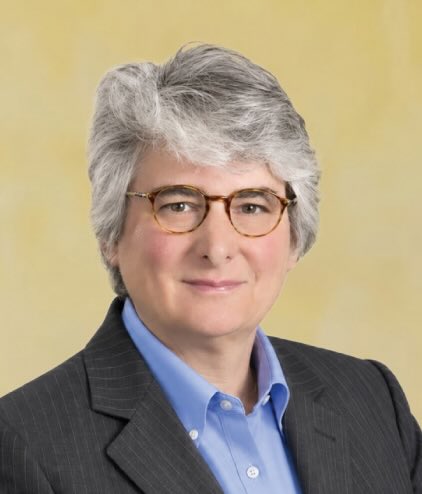 Debra R. Schoenberg
Owner & Founder
Debra R. Schoenberg
Owner & Founder






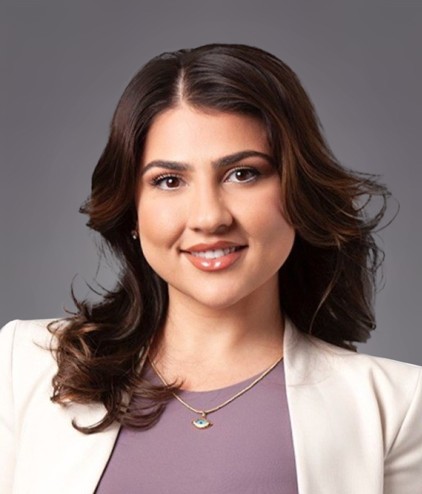 Kimia Kojouri
Associate
Kimia Kojouri
Associate