Voted #1 Family Law Firm in California
in a statewide poll limited to Judges, Attorneys, and Law Firm Administrators.
Request a Consultation



For nearly 40 years, the legal experts at Schoenberg Family Law Group, P.C., have been helping families navigate divorce and separation issues, from high-asset disputes to sensitive custody matters. Led by Debra R. Schoenberg, a Certified Family Law Specialist, our attorneys have more than 200 years collective experience. Our team specializes in all family law issues across Silicon Valley and surrounding areas such as San Jose, Palo Alto, and the broader Bay Area.
Having a skilled and empathetic legal advocate by your side can alleviate the uncertainty and emotional toll of divorce. If you’re considering your options, reach out to Schoenberg Family Law Group, P.C. for a consultation tailored to your needs. Our dedicated Silicon Valley divorce attorneys craft personalized legal strategies to guide you through this challenging process.
Facing divorce in Silicon Valley, CA? Let us help you move forward.
Selecting the right legal team is critical in Silicon Valley, where divorces often involve complex tech-related assets, executive compensation, and unique family dynamics. Schoenberg Family Law Group, P.C. stands out as the top choice for divorce representation for these reasons:
Choose the leading Silicon Valley divorce attorneys for expert guidance and peace of mind. Contact us for a personalized consultation today.
At Schoenberg Family Law Group, P.C., our divorce lawyers prioritize open communication and transparency to address your concerns effectively. Our strategies are customized to your unique circumstances, and we keep you informed at every stage of the divorce process. Our experienced team is well-versed in all divorce-related matters, including:
Our deep understanding of Silicon Valley family law, combined with our commitment to clear communication, aims to reduce stress and provide reassurance during this challenging time.
Before filing for divorce, it’s worth exploring all available paths to ensure the best fit for your situation. California law outlines three primary ways to end a marriage or domestic partnership:
In rare cases, couples may qualify for a summary dissolution, a streamlined divorce process without court involvement, though strict eligibility criteria apply. Our Silicon Valley family law attorneys at Schoenberg Family Law Group, P.C. provide expert guidance on all options, ensuring you make informed decisions with your family’s best interests in mind.
An annulment voids a marriage, treating it as though it never existed. Grounds for annulment include fraud, coercion, bigamy, underage marriage, mental incapacity, or inability to consummate the marriage. Unlike divorce, an annulment erases the marriage from legal records.
A dissolution divorce legally terminates a marriage through a court decree, ending the marital relationship while maintaining its historical record. The process involves filing papers, negotiating terms, and, if necessary, proceeding to trial for a judge’s final ruling.
A legal separation allows couples to live separately while remaining legally married, preserving benefits like healthcare. Spousal support may be arranged, but neither party can remarry without pursuing a dissolution. Our attorneys can guide you through these options to find the best path forward.
California imposes specific requirements for filing for divorce or separation:
California operates as a “no-fault” divorce state, meaning neither spouse needs to prove wrongdoing to file for divorce. One spouse’s desire to end the marriage, typically citing irreconcilable differences, is sufficient.
California mandates a six-month waiting period for divorce, starting when the filing spouse serves the other with divorce papers. This ensures time for reflection and negotiation.
For detailed guidance on these requirements, contact a Silicon Valley divorce lawyer at Schoenberg Family Law Group, P.C. for a consultation.
As a no-fault state, California allows divorce based on “irreconcilable differences,” meaning the marriage has broken down beyond repair. This could stem from differing values, emotional drift, or other issues. No proof is required—just a statement of irreconcilable differences when filing.
California’s community property laws govern asset division in divorce. All property and debts acquired during the marriage, known as community property, are split 50/50, regardless of each spouse’s circumstances. Separate property—assets owned before marriage, gifts, or inheritances—is excluded.
Community property may include equity in start-ups, cryptocurrency holdings, or real estate in high-value markets like Palo Alto or Los Gatos. Bank accounts, retirement plans, investments, businesses, vehicles, and debts are also common examples of shared property. Couples can negotiate their own division plan, subject to court approval. If no agreement is reached, a judge will enforce an equal split. Our Silicon Valley attorneys assist with fair and strategic property division, protecting your financial interests.
Divorces involving children require great sensitivity and careful planning for custody, visitation, and support. Parents are encouraged to create a detailed parenting plan covering time-sharing, holiday schedules, legal responsibilities, and child support. If parents cannot agree, a judge will decide based on the child’s best interests, considering factors like parental involvement, safety, school continuity, and the child’s preferences.
Our California divorce attorneys advocate for fair custody and support arrangements, ensuring your child’s well-being remains the priority.
California’s mandatory six-month waiting period means no divorce can be finalized sooner. If you and your spouse reach a settlement agreement on all terms, such as custody and property, a judge can sign off after the waiting period, finalizing the divorce. Without agreement, the case may proceed to trial, extending the timeline to a year or more. Our team works to streamline the process and avoid delays.
Divorce costs vary widely in California, typically ranging from $6,000 to $20,000, but can soar much higher depending on complexity. Key factors include:
Additional costs include California’s $435 filing fee and administrative expenses. Our attorneys prioritize efficiency to minimize costs while protecting your interests.
To prepare effectively:
Court battles can intensify the stress and uncertainty of divorce. Mediation offers a less adversarial alternative, allowing couples to negotiate with a neutral third party. Mediators facilitate discussions but don’t impose decisions, empowering you to control the outcome. Our attorneys are skilled negotiators, focused on guiding you toward amicable resolutions with minimal conflict.
Family law matters in Silicon Valley are handled at the Santa Clara County Superior Courts, specifically:
210 North First Street
San Jose, CA 95113
Led by Debra R. Schoenberg, a Board-Certified Family Law Specialist with nearly 40 years of experience, our firm has handled over 15,000 cases. Schoenberg Family Law Group, P.C. provides expert counsel tailored to your unique needs. Our Silicon Valley divorce attorneys prioritize your family’s well-being, offering thorough guidance and compassionate support throughout the divorce process. For answers to your questions or to schedule a consultation, contact us online or call 866.618.2132.
"I was seeking a reputable family law firm for my prenuptial agreement and received high praise for the Schoenberg Law Group. My attorney listened to my questions and responded to them very patiently. She also paid close attention all my concerns and made sure I was aware of the legal value of the agreement I was about to sign. It was…”
D.R.“It has been a real blessing to find this family law group in my life. I was in the middle of a custody battle with my ex wife and had a lawyer who had sided with my ex wife’s lawyer. I was faced with the option of paying to a regular lawyer to do half jobs with no results or to invest a bit more for a top family counselor who understood my situation and at the same time not giving me false hopes."
A.L."I hesitated filing papers for a long time because I was not sure if I could survive a long legal battle. When we were married, my husband worked while I raised the children, two under four years old, and I was afraid I would lose the stability they needed. I had a wonderful group of friends that helped me search for a reputable law firm that could represent me when my focus was on my children. They found the"
L.A.We are trial lawyers who litigate high-conflict, high-stakes cases. While we try to build on mediation efforts and exhaust opportunities for a negotiated agreement, emotions, egos and various other realities often force these disputes into court. It is critical to work with a firm that knows how to apply the law and the facts in your favor, whether in the courtroom or at the negotiating table.
One of California’s Top Family Lawyers for five consecutive years: 2022–2026

SFLG Voted #1 Family Law Firm in California for six consecutive years: 2021 - 2026

One of the Best Places to Work in the Bay Area by San Francisco Business Times

Debra Schoenberg was named a Fellow of the American Academy of Matrimonial Lawyers (AAML)
Designated as a Certified Family Law Specialist by the State of California Board of Legal Specialization

Board-Certified Family Law Trial Specialist by The National Board of Trial Advocacy (NBTA)
“My goal is to preserve your dignity and your humanity throughout what can be a very difficult and painful process, while at the same time achieving a favorable outcome on your behalf.”
Over 400 Years of Collective Family Law Experience
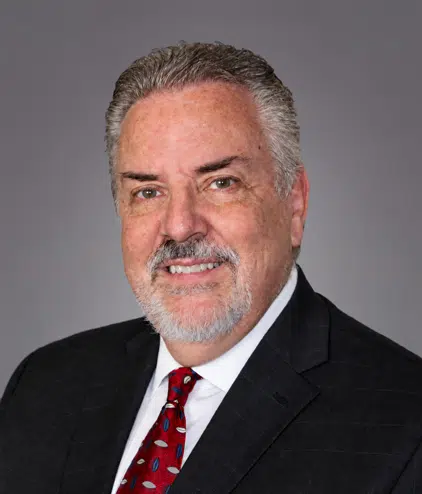
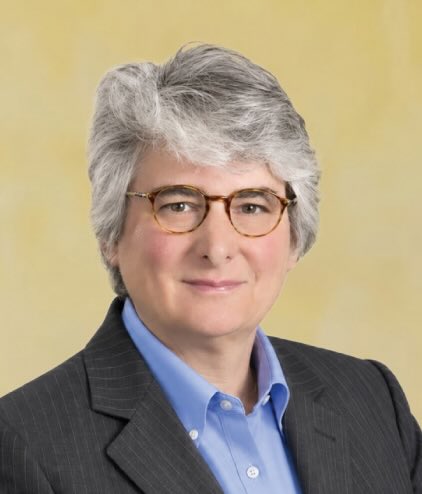 Debra R. Schoenberg
Owner & Founder
Debra R. Schoenberg
Owner & Founder


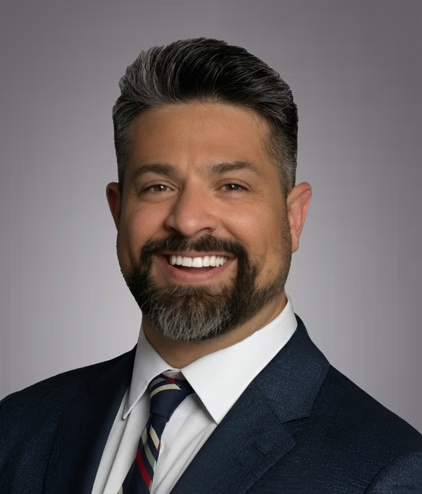





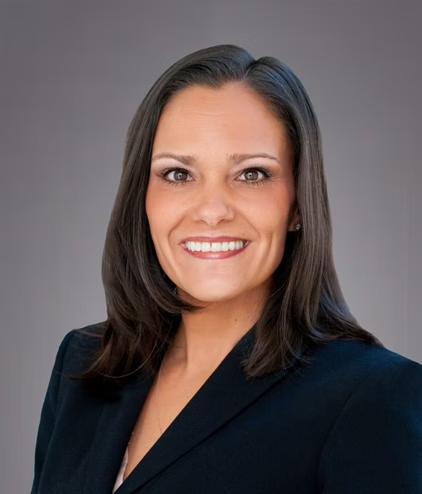
 Kimia Kojouri
Associate
Kimia Kojouri
Associate





Family law covers divorce, legal separation, annulments, child custody, child and spousal support, asset division, prenuptial and postnuptial agreements, domestic violence issues, and grandparent visitation rights.<
While not legally required, an experienced Silicon Valley family law attorney can help you craft parenting plans, advocate for your rights, and ensure arrangements reflect your child’s best interests.
Courts must prioritize the child’s best interests in all custody matters. Judges consider the child’s health, safety, and welfare; the strength of each parent–child bond; school continuity; and, when appropriate, the child’s preference. Courts typically favor ongoing relationships with both parents.
Legal custody is the right to make important decisions about your child’s upbringing. Physical custody determines where the child lives. Courts may award joint or sole custody in either category.
Yes. Grandparents can petition for visitation when parents are divorced, separated, or under certain other conditions. Courts evaluate whether visits benefit the child’s welfare.
California’s community property rules split marital assets and debts equally. Complex holdings like stock options, start-up equity, or cryptocurrency may require specialized evaluation.
Mediation and collaborative law allow families to negotiate agreements privately, saving time and reducing conflict. Courts generally encourage these alternatives before litigation.
Simple matters like uncontested custody changes may be resolved in a few months. Complex divorces or disputes involving significant assets or custody issues may take a year or longer.
Contact a family law attorney immediately. In California, restraining orders can provide protection for you and your children. Evidence of abuse can influence custody and visitation decisions.
Seek legal advice as early as possible—before signing agreements, moving out, or making custody decisions. Early guidance can prevent costly mistakes and protect your rights.