Voted #1 Family Law Firm in California
in a statewide poll limited to Judges, Attorneys, and Law Firm Administrators.
Request a Consultation



Under California law, courts prioritize the child’s best interests when determining custody. Yet, disagreements between parents on what’s truly best often escalate into challenging legal battles.
If you’re entangled in a custody conflict or contemplating divorce with children involved in Silicon Valley, reach out to Schoenberg Family Law Group, P.C. right away. Our dedicated team recognizes the gravity of your circumstances and manages custody matters with the empathy and expertise your family deserves.
At Schoenberg Family Law Group, P.C., our expert Silicon Valley Family Law Attorneys support families across Silicon Valley and nearby communities in Santa Clara and San Mateo Counties. We know custody disputes can ignite intense emotions and carry logistical challenges. That’s why we emphasize clear dialogue and honesty in every step. From initial separations to ongoing arrangements, we handle a full spectrum of custody concerns, including:
Our goal is to secure favorable results that safeguard your children’s well-being and future stability. We find creative solutions to pressing problems to help your family thrive in its new form.
California distinguishes clearly between physical and legal custody, ensuring arrangements align with modern family dynamics prevalent in tech hubs like Palo Alto and Mountain View.
Physical custody outlines the everyday living situation for the child. California’s family courts promote equitable time with both parents whenever feasible, fostering balanced growth in our diverse Valley communities. Post-divorce, judges may allocate physical custody unevenly based on individual needs—perhaps one parent hosts weekdays amid school commutes, while the other takes weekends for family adventures in nearby redwood trails.
Legal custody equips parents to shape their child’s path. Courts encourage collaborative parenting plans, often through mediation, allowing ex-partners to craft solutions that suit the work-life balance needs of Silicon Valley families. Only if an impasse occurs does the case proceed to trial.
Visitation remains a cornerstone of most Silicon Valley custody agreements, ensuring non-custodial parents stay deeply connected with their children. Arrangements can follow a structured calendar or adopt a more adaptable “reasonable” framework, ideal for parents juggling work deadlines and global travel.
Crafting a visitation timetable collaboratively—with input from the court—can help accommodate both parties’ existing lives and schedules. Structured plans offer the routine that helps children thrive in our fast-evolving environment, while flexible ones rely on mutual respect and communication.
When concerns arise about parental fitness — potential physical or emotional harm to the child — courts in Silicon Valley may restrict or supervise visits. In instances of substantiated abuse allegations, outright denial of access protects the child, preventing unauthorized contact.
Alternatively, supervised sessions, overseen by a trusted third party or agency, can rebuild bonds safely. This approach proves valuable for reuniting families after prolonged separations, without compromising safety. Parents and judges often co-develop these protocols, ensuring they fit the unique rhythms of Valley life.
Judges in California scrutinize any history of substance use—whether alcohol or drugs—closely, as it may undermine a parent’s caregiving capacity, especially in a stressful environment. Such issues could heighten risks of neglect or conflict, prompting courts to mandate testing, rehab enrollment, or evaluations.
If substance challenges persist, custody might shift to supervised access only. However, demonstration of recovery through programs can prompt reevaluations, restoring fuller involvement. For existing arrangements disrupted by emerging concerns, the other parent may seek amendments, with courts probing validity before adjusting terms to prioritize child safety—potentially allowing supervised contact for rehabilitating parents.
In California, domestic partnerships offer a viable path for committed couples, and custody follows suit. For children born during a registered partnership, both partners hold parental rights; adoptions further solidify this.
Dissolving such unions requires custody negotiations akin to divorces. When rights are shared, courts treat disputes similarly to marital cases. For non-legal parents who wish to stay involved in a child’s life after separation, seek legal advice – custom agreements may help bridge gaps, especially in Silicon Valley’s inclusive, diverse partnerships.
Splitting up with an infant or young child in tow adds layers of intricacy, particularly when factors like nursing or nap routines clash with unconventional work hours. While the court does not automatically favor one parent, judges still weigh practicalities.
Parents are urged to mediate first, possibly consulting child development experts familiar with Valley parenting trends. Optimal plans for toddlers emphasize consistency—regular parent-child interactions to nurture secure bonds, adapting as the child ages. Collaboration, bolstered by mediators, often yields the most harmonious outcomes; otherwise, judicial oversight steps in.
Mediation serves as a cornerstone for Silicon Valley parents, fostering collaborative resolutions in a neutral space. Involving attorneys and a neutral facilitator, it sidesteps courtroom drama, empowering families to devise child-centric plans.
Sessions encourage open exploration of options, aiming for consensus on parenting blueprints. Upon judicial approval affirming the child’s best interests, the agreement becomes binding—granting control back to parents in our solution-oriented culture.
With a wide variety of custody configurations available, finding the best arrangement for your family isn’t always straightforward. California mandates mediation for impasses, seeking harmony before judicial intervention.
This process can be logistically complex and emotionally draining. The Silicon Valley child custody lawyers at Schoenberg Family Law Group, P.C. offer expertise and compassionate support. Blending local insight, strategic acumen, and genuine care, we champion your family’s thriving amid the Valley’s relentless pace.
In the competitive landscape of Silicon Valley, where the intense tech business and family priorities intersect, selecting the right advocate is crucial. At Schoenberg Family Law Group, P.C., we’ve championed families for nearly 40 years, earning accolades as top-rated child custody experts. Our attorneys, led by Debra R. Schoenberg, bring a tech industry-savvy approach to custody battles—leveraging innovative strategies and local insights to navigate all your custody and divorce matters.
What sets us apart:
Choose our custody counsel to resolve disputes and build lasting family foundations in technology’s epicenter.
Facing custody challenges or disputes? Connect with Schoenberg Family Law Group, P.C. now to explore your options. For nearly four decades, we’ve delivered expert guidance to Silicon Valley families and beyond in Santa Clara County.
We grasp the emotional turbulence of custody proceedings and commit to your family’s holistic well-being with respect and clarity. Open communication keeps you updated and reassured.
Reach us online or dial 866.618.2132 for inquiries on child custody or broader Silicon Valley family law needs.
"I was seeking a reputable family law firm for my prenuptial agreement and received high praise for the Schoenberg Law Group. My attorney listened to my questions and responded to them very patiently. She also paid close attention all my concerns and made sure I was aware of the legal value of the agreement I was about to sign. It was…”
D.R.“It has been a real blessing to find this family law group in my life. I was in the middle of a custody battle with my ex wife and had a lawyer who had sided with my ex wife’s lawyer. I was faced with the option of paying to a regular lawyer to do half jobs with no results or to invest a bit more for a top family counselor who understood my situation and at the same time not giving me false hopes."
A.L."I hesitated filing papers for a long time because I was not sure if I could survive a long legal battle. When we were married, my husband worked while I raised the children, two under four years old, and I was afraid I would lose the stability they needed. I had a wonderful group of friends that helped me search for a reputable law firm that could represent me when my focus was on my children. They found the"
L.A.We are trial lawyers who litigate high-conflict, high-stakes cases. While we try to build on mediation efforts and exhaust opportunities for a negotiated agreement, emotions, egos and various other realities often force these disputes into court. It is critical to work with a firm that knows how to apply the law and the facts in your favor, whether in the courtroom or at the negotiating table.
One of California’s Top Family Lawyers for five consecutive years: 2022–2026

SFLG Voted #1 Family Law Firm in California for six consecutive years: 2021 - 2026

One of the Best Places to Work in the Bay Area by San Francisco Business Times

Debra Schoenberg was named a Fellow of the American Academy of Matrimonial Lawyers (AAML)
Designated as a Certified Family Law Specialist by the State of California Board of Legal Specialization

Board-Certified Family Law Trial Specialist by The National Board of Trial Advocacy (NBTA)
“My goal is to preserve your dignity and your humanity throughout what can be a very difficult and painful process, while at the same time achieving a favorable outcome on your behalf.”
Over 400 Years of Collective Family Law Experience
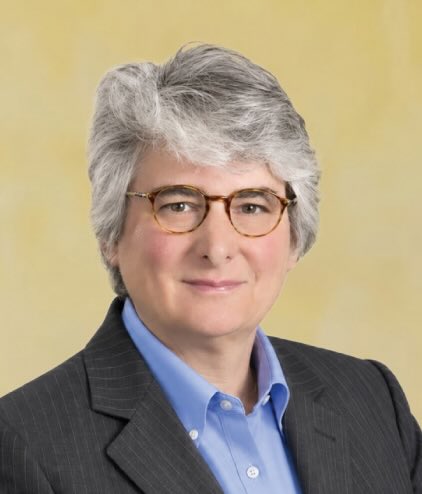 Debra R. Schoenberg
Owner & Founder
Debra R. Schoenberg
Owner & Founder









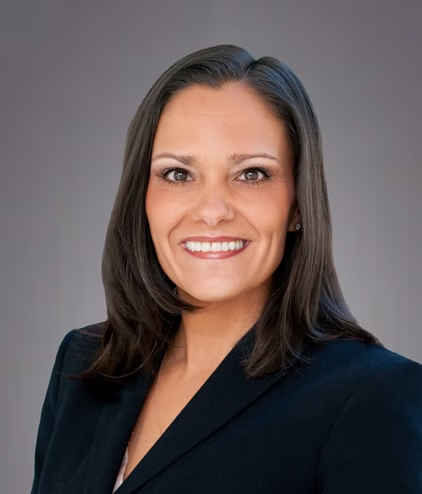
 Kimia Kojouri
Associate
Kimia Kojouri
Associate





Courts prioritize the child’s best interests—focusing on safety, stability, and ongoing relationships with both parents. Judges consider many factors including parental involvement, living conditions, school continuity, and the child’s preferences when age-appropriate.
Physical custody decides where the child lives. Legal custody gives parents authority over major decisions such as schooling, healthcare, and religious upbringing. Courts may grant joint or sole custody for either type.
Yes. Significant changes in circumstances—like relocation for a tech job, a parent’s health issues, or shifts in a child’s needs—can justify modification requests.
Courts encourage parents to create flexible, realistic schedules that account for demanding tech careers or frequent travel. Structured plans or “reasonable visitation” arrangements can be tailored to each family’s lifestyle.
The other parent can seek court enforcement. Judges may impose penalties, modify custody terms, or, in severe cases, hold the noncompliant parent in contempt.
Substance abuse may prompt supervised visitation, mandatory testing, or treatment requirements. Courts can adjust custody to protect the child while offering paths for parental rehabilitation.
Under California law, grandparents and certain non-biological parents may petition for custody or visitation under specific circumstances, such as when it serves the child’s welfare.
Yes. California mandates mediation before a judge decides custody disputes. Mediation helps parents reach agreements without court intervention and often results in more cooperative and customized parenting plans.
For children of registered domestic partners, both partners typically have equal parental rights. Custody disputes are resolved similarly to divorces. Non-legal parents may still negotiate visitation through formal agreements.
Seek legal advice as soon as custody becomes a concern—before filing for divorce, relocating, or agreeing to terms. Early legal guidance protects your rights and helps prevent costly mistakes.