Voted #1 Family Law Firm in California
in a statewide poll limited to Judges, Attorneys, and Law Firm Administrators.
Request a Consultation
At The Schoenberg Family Law Group, P.C., our attorneys will help you confront the seriousness of a broken marriage and the concerns you hold for your future. Whether your focus is protecting your children, achieving a just financial outcome, or navigating the divorce process efficiently, our Palo Alto divorce attorney is here for you.
We are experienced in all areas of divorce and able to represent you in the following confidently:
The Schoenberg Family Law Group, P.C., will assist you in making practical, well-informed decisions to achieve your most essential divorce goals. Allow us to serve your best interests and aggressively defend your most valuable assets. We understand that divorce is one of the most significant legal and personal challenges you will ever face — and we are committed to guiding you through it with the expertise, compassion, and strategic focus your case deserves.
You do not have to prove that your spouse is at fault to obtain a divorce in California. California is a no-fault divorce state that allows a divorce due to irreconcilable differences or an irrevocable breakdown of the marriage. Neither party is at fault for the divorce, and either party may end the marriage regardless of any desires of the other spouse to stay together.

There are residency requirements to obtain a divorce in California. One spouse must reside in California for at least six months before filing the divorce petition. That spouse must live in the county where they file the divorce petition for at least three months before filing. In addition, after filing and serving a divorce petition on the other spouse, there is a minimum six month waiting period for the finalization of a divorce by the court.
Legal separation and divorce are similar, but both offer unique pros and cons. They both require property, debt, and asset division, as well as child custody and visitation plans. However, an order for legal separation does not permit parties to remarry. If you choose legal separation, you are still technically married to your spouse in the eyes of the law. Other than remarrying, however, you and your spouse will be free to live separate lives.
The advantage of a legal separation is that unlike divorce, there are no residency requirements. You are free to legally separate no matter how long you’ve lived in California. Another advantage is that you can keep benefits that are connected to your marriage, such as employee or insurance benefits. You may also wish to consider legal separation for personal reasons, such as if your religion doesn’t permit divorce or if there is still a chance for reconciliation in the future.
 Helpful and supportive
Debra and team were so helpful and supportive through the most difficult time in my life. Grateful to the team for their advice – would highly recommend their services to anyone needing a divorce attorney.
California permits a summary dissolution when spouses were married less than five years, are without children and real estate and possess limited assets and debts. A summary dissolution requires spouses to create a property and debt agreement and file it together with their joint divorce petition and relevant court documents. There is still a six month waiting period for a divorce decree; however, a summary dissolution is less complicated and rarely requires an appearance before a judge.
Local Court Jurisdictions for Palo Alto Residents: While the divorce framework follows California law, local cases for Palo Alto residents are processed through the Family Law Division of the Santa Clara County Superior Court. Depending on court assignments and scheduling, hearings may take place at the main Family Court facility in San Jose or other regional county courthouses. Navigating the specific local rules, filing requirements, and scheduling protocols of Santa Clara County is a core element of how we build and manage your case.
Knowing what to expect from the divorce process can help you and your family be better prepared. Although each case is unique, most follow the same basic steps. When spouses do not qualify for a summary dissolution, the divorce process generally takes the following course:
You don’t have to deal with the process of getting divorced in Palo Alto on your own. A lawyer from The Schoenberg Family Law Group, P.C. can guide you through your case, protecting your legal rights and interests along the way.
Although rare, some couples qualify for and choose to pursue an annulment. Annulment effectively erases a marriage.
An annulment is obtainable for the following reasons:
If you wish to discuss the option of having your marriage annulled in more detail, one of our attorneys can meet with you and listen to your story.
Mediation is a casual, non-adversarial means to solve divorce issues such as property division, spousal support, child support, child custody, and visitation. It is a form of alternative dispute resolution, along with arbitration. Spouses meet together with a mediator in the hopes of creating a fair and agreeable settlement to all of their marital issues.
California is unique in that it is one of only a few community property states in the U.S. In a divorce case that goes to court, the state’s community property law will divide all of a couple’s marital assets down the middle, 50/50, regardless of whether this is fair or equitable for both parties. Marital assets refer to the assets and property acquired by either person during the marriage.
Property that one spouse owned individually before the marriage will be classified as separate property and excluded from division, as long as it was not commingled after the marriage. In addition, gifts and inheritances given to one spouse during the marriage are also separate property. However, any items, real estate, vehicles, investments, businesses and other assets, as well as debts, that are shared between the “community” of marriage will be subject to California’s property division law.
Our divorce attorneys in Palo Alto can help you navigate property division and protect your hard-earned assets as much as possible. We can increase the chances of reaching a settlement agreement with your spouse, for example, to prevent your case from going to court. If you’re engaged or still married, we can also help you create a prenuptial or postnuptial agreement to protect your property from California’s division laws in the event of a future divorce.
California requires divorcing parents to attend custody and visitation mediation. The Court provides a qualified mediator to help parents create a custody and visitation plan in the best interests of their children. No agreement in mediation is an official court order until the court approves it.
If the parents cannot create their own plan for child custody, a judge will decide custody based on the best interest of the child. This decision is made after careful analysis of many aspects of the child’s life, including the fitness of either parent, the child’s connection to his or her school and community, the child’s relationship to both parents, and the child’s wishes, if he or she is old enough.
In California, it is both parents’ obligation to support their minor children. The incomes of both parties, which parent has custody of the children, and how much time the non-custodial parent has with the children, determine child support. A unique computer formula assists in calculating support for minor children.
When confronting divorce or any other family law problem, it is essential to find a dependable attorney to present all angles of your case and all of your viable options. At The Schoenberg Family Law Group, P.C., our professionals will inform and support you through every step of your divorce. We will build the most compelling case possible for your position and strive to meet your individual goals.
Schedule a confidential case review with one of our attorneys today. We will answer your most pressing legal questions and make a plan for your future.
"I was seeking a reputable family law firm for my prenuptial agreement and received high praise for the Schoenberg Law Group. My attorney listened to my questions and responded to them very patiently. She also paid close attention all my concerns and made sure I was aware of the legal value of the agreement I was about to sign. It was…”
D.R.“It has been a real blessing to find this family law group in my life. I was in the middle of a custody battle with my ex wife and had a lawyer who had sided with my ex wife’s lawyer. I was faced with the option of paying to a regular lawyer to do half jobs with no results or to invest a bit more for a top family counselor who understood my situation and at the same time not giving me false hopes."
A.L."I hesitated filing papers for a long time because I was not sure if I could survive a long legal battle. When we were married, my husband worked while I raised the children, two under four years old, and I was afraid I would lose the stability they needed. I had a wonderful group of friends that helped me search for a reputable law firm that could represent me when my focus was on my children. They found the"
L.A.We are trial lawyers who litigate high-conflict, high-stakes cases. While we try to build on mediation efforts and exhaust opportunities for a negotiated agreement, emotions, egos and various other realities often force these disputes into court. It is critical to work with a firm that knows how to apply the law and the facts in your favor, whether in the courtroom or at the negotiating table.
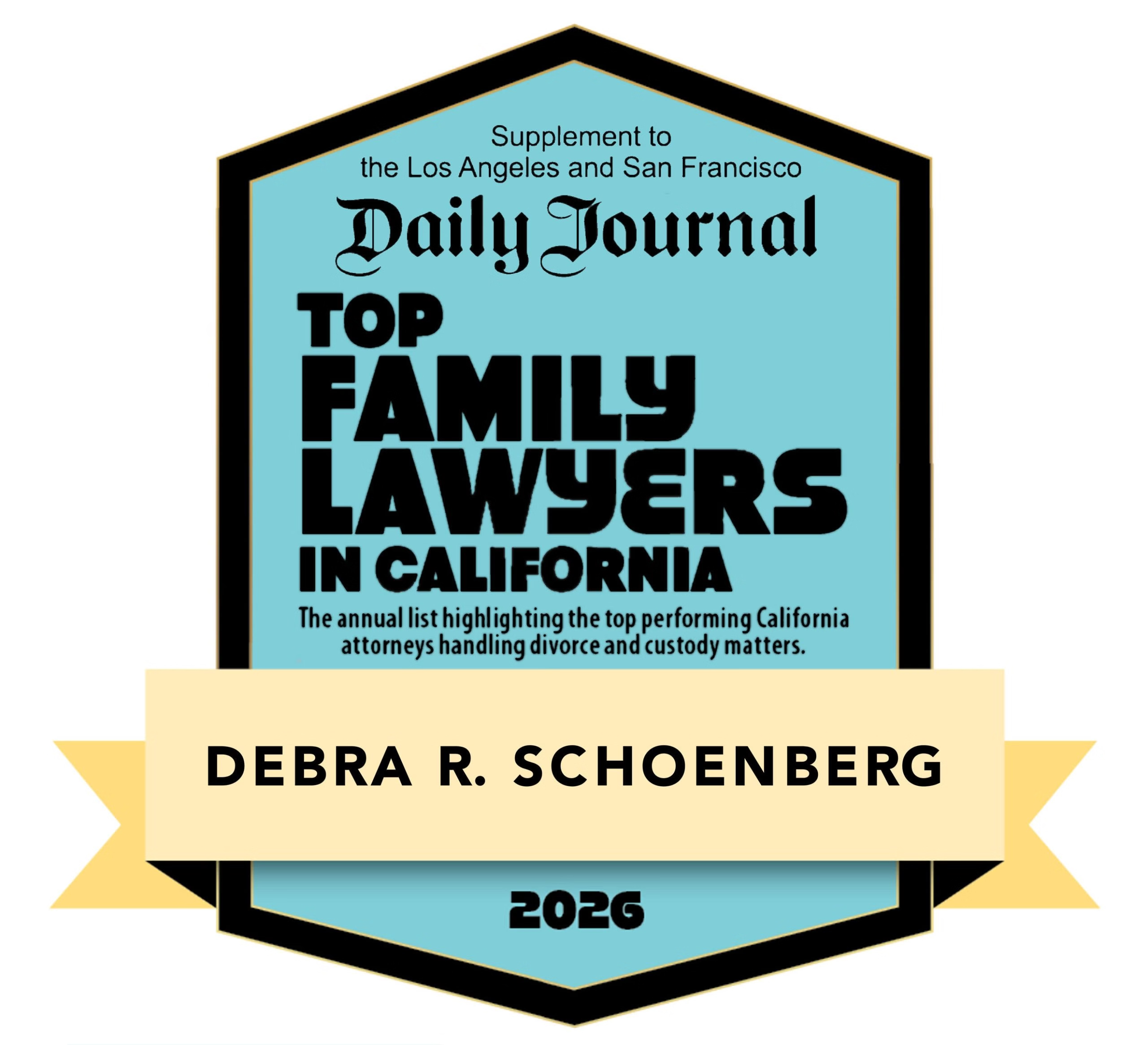
One of California’s Top Family Lawyers for five consecutive years: 2022–2026

SFLG Voted #1 Family Law Firm in California for six consecutive years: 2021 - 2026

One of the Best Places to Work in the Bay Area by San Francisco Business Times

Debra Schoenberg was named a Fellow of the American Academy of Matrimonial Lawyers (AAML)
Designated as a Certified Family Law Specialist by the State of California Board of Legal Specialization

Board-Certified Family Law Trial Specialist by The National Board of Trial Advocacy (NBTA)
“My goal is to preserve your dignity and your humanity throughout what can be a very difficult and painful process, while at the same time achieving a favorable outcome on your behalf.”
Over 400 Years of Collective Family Law Experience
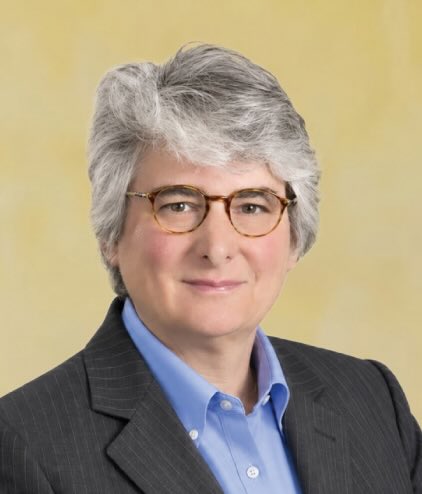 Debra R. Schoenberg
Owner & Founder
Debra R. Schoenberg
Owner & Founder


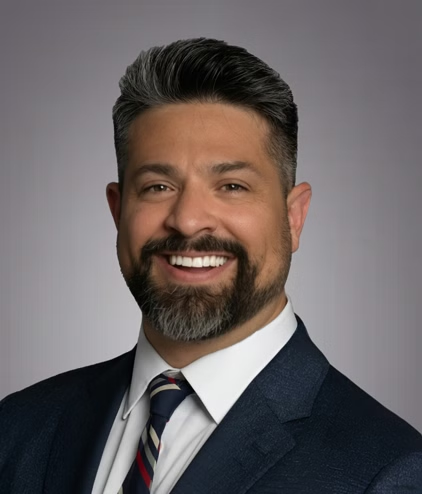
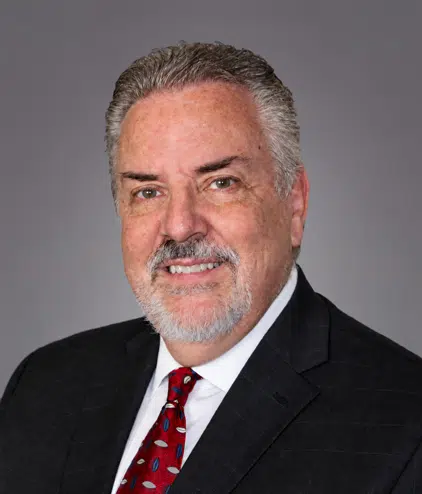


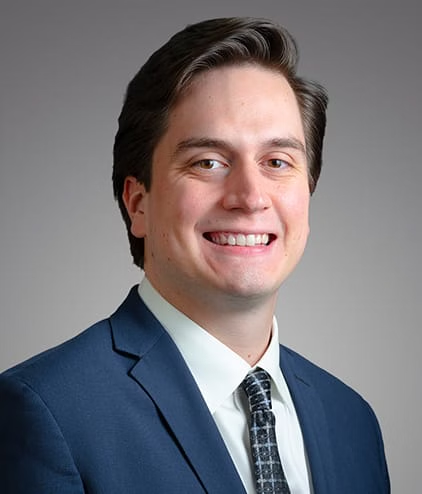


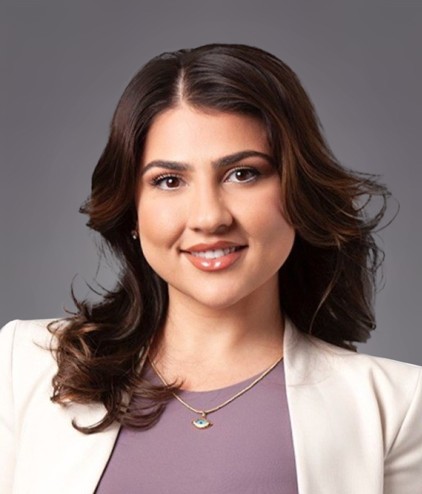 Kimia Kojouri
Associate
Kimia Kojouri
Associate



To file for divorce in Palo Alto, at least one spouse must have resided in California for the past six months and in Santa Clara County for the past three months. Once the petition is filed and served, California law mandates a strict six-month waiting period before the court can legally finalize the dissolution of marriage.
California operates under community property laws, which dictate that all assets and debts acquired during the marriage are generally divided equally upon divorce. Any property owned prior to the marriage, or acquired through individual inheritance or gift, remains separate property, provided it was not commingled with community funds during the marriage.
An uncontested divorce occurs when both spouses agree on all terms, such as asset division, spousal support, and child custody, allowing them to file a written settlement without a court trial. A contested divorce means the spouses cannot agree on one or more key issues, requiring a Santa Clara County judge to hear arguments and make a final ruling at trial.
In Palo Alto and the broader Silicon Valley area, divorces often involve complex assets like Restricted Stock Units, stock options, and start-up equity. Determining what portion of these assets is community property versus separate property requires specialized legal calculation, such as the Hug or Nelson formulas, and often involves forensic accounting to ensure an accurate and fair valuation.
Yes, child custody, visitation, and support orders can be modified after a final judgment if you can demonstrate a substantial change in circumstances. Common examples include a significant change in either parent's income, a job relocation, or shifts in the child's developmental and educational needs.
Not necessarily. Many couples successfully resolve their divorce out of court through mediation or negotiated marital settlement agreements. If you and your spouse can reach a compromise on all terms with the help of your attorneys, your final paperwork can be submitted to the Santa Clara County court for a judge's signature without requiring an in-person court appearance.